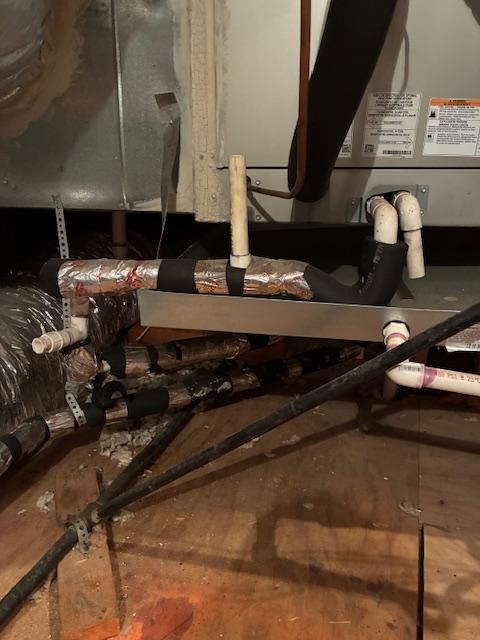
Understanding Air Conditioning Condensate Drain Lines
If you own a home with air conditioning — especially in humid climates like North Texas — your AC unit produces a surprising amount of water every day. That water, called condensate, must be properly drained away from your home. Poor condensate disposal is a common issue we find during home inspections in the Fort Worth area, and it can lead to water damage, mold growth, foundation issues, and expensive repairs.
We believe informed homeowners and buyers make better decisions. Here’s everything you need to know about proper air conditioning condensate disposal according to building codes and best practices.
What Is AC Condensate?
Condensate is the water that forms when your air conditioner removes heat and moisture from indoor air. In humid conditions, a central AC system can produce several gallons of water per day. This water collects in the evaporator coil pan and must be safely routed outside or to an approved drain.
Without a properly functioning drain system, that water can overflow, damage ceilings, walls, insulation, and flooring — or create the perfect environment for mold.
Requirements for Condensate Disposal
1. Approved Discharge Locations
Condensate should not be discharged onto streets, alleys, or anywhere it could create a nuisance.
Many jurisdictions require discharge to be directed away from the foundation.
Always verify specific requirements with your local building official.
2. Condensate Discharge Pipe Requirements
Primary and auxiliary lines typically require at least ¾-inch internal diameter pipe.
Pipe size should not decrease from the collection point to the discharge.
Horizontal sections must slope at least ⅛ inch per 12 inches toward the discharge point.
Approved materials include: PVC (most common), ABS, cast iron, copper, PEX, CPVC, galvanized steel, PE-RT, and polyethylene.
3. Traps and Cleanouts
Proper P-traps prevent sewer gases from entering the home and allow for easy cleaning.
Why You Need an Auxiliary (Backup) Condensate System
Most modern installations require a secondary or auxiliary drain system as a safety backup. This is especially important when the primary drain is located above finished spaces.
Common backup methods include:
Auxiliary drain pan installed under the evaporator coil (must be larger than the unit)
Water level cutoff switches (pan-type or coil-type) that shut off the AC before overflow occurs
Separate auxiliary drain lines that terminate at a conspicuous location (often above a window)
These backups are critical — when the primary line clogs or gets backed up, the auxiliary system prevents major water damage.
Common Problems We See During Home Inspections
Clogged primary drain lines
Missing or improperly installed backup systems
Incorrectly sloped pipes that allow water to pool
Discharge too close to the foundation
Lack of cleanout access
Auxiliary pans that are dry-rotted, cracked, or missing
Drain lines that are not insulated (to prevent condensation drip)
Best Practices for Homeowners
Schedule annual maintenance: Have your HVAC technician clean the drain lines and pans each year.
Inspect visible components: Look for leaks around the indoor unit, wet spots in the attic, or signs of overflow.
Know where your lines terminate: You should be able to see where the condensate drains outside.
Consider insulation: Insulating the primary drain line can prevent “sweating” on the outside of the pipe that leads to moisture problems (This is a must have in DFW.
Test your backup systems: Water level switches should be tested periodically.
What Home Buyers Should Ask During Inspection
When reviewing a home inspection report, pay close attention to the HVAC and plumbing sections regarding condensate drainage. If issues are noted, request repairs or further evaluation by a licensed HVAC contractor before closing.
A properly functioning condensate system is a small but vital part of protecting your home’s structural integrity and indoor air quality.
Have questions about your AC drain system?
Fisher Home Inspections proudly serves Fort Worth, Texas and surrounding areas. Our thorough inspections include detailed evaluation of the HVAC condensate disposal system so you can have confidence in your home purchase or maintenance decisions.
— Kyle Fisher, Home Inspector
Fort Worth, Texas
Residential Code References
The appliance access standards listed above are from M1411of the International Residential Code (IRC) 2021.