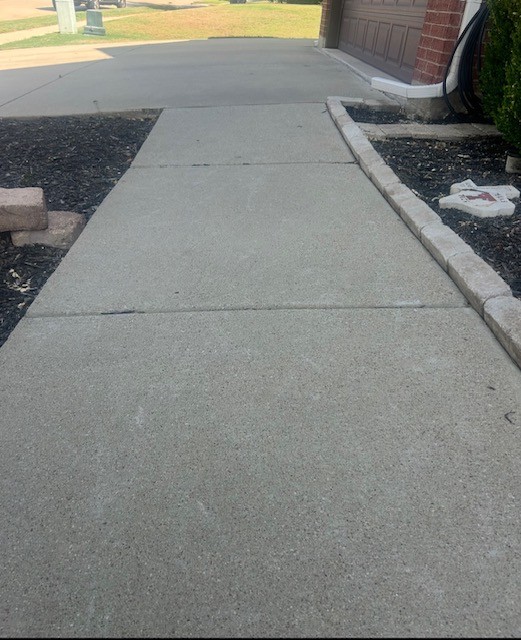
Driveways, Walkways, and Patios in DFW
When you’re buying a home or maintaining the one you own, the exterior hard surfaces—driveways, walkways, and patios—often get overlooked. These areas affect daily safety, curb appeal, drainage, and long-term maintenance costs.
Here’s what homeowners and home buyers should look for on these common site features.
Driveways: Safe Vehicle Access Matters
A driveway is a private road designed for vehicle use between the public street and the house or garage. Residential driveways need to provide safe, convenient access for cars and delivery vehicles.
Key recommendations include:
Minimum width of 10 feet for a straight one-lane residential driveway
Minimum width of 20 feet for a straight two-lane residential driveway
Extra width (at least 1–2 feet more) where the driveway curves or is bordered by a wall or steep slope
A flare at the street end so vehicles can turn onto the public road safely without leaving the pavement
Garages with side or rear doors often need about 20 feet of clear depth in front for turning. Steep slopes create extra challenges—vehicles can scrape the ground at transitions, and snow or ice can make the surface slippery. Water can also drain toward the garage if the garage is below the street.
Common materials and construction notes:
Concrete driveways, walkways, and patios should be at least 3½ inches thick
Asphalt (blacktop) should be 2–4 inches of compacted thickness
Proper subbase preparation (compacted, dry soil with topsoil and vegetation removed) is essential to prevent settlement, uplift, and cracking
Surfaces should slope away from the house at least ¼ inch per foot and should not sit above the foundation framing level
Tree roots frequently cause cracking and uplift in concrete. Isolation joints help control movement where the driveway meets the house or other structures, while crack-control joints guide where cracks form.
Walkways: Pedestrian Safety First
A walkway is a private path on the property intended for people on foot. Residential walkways should give safe, convenient access to the house.
Width guidelines:
Minimum recommended width that allows two people to walk side-by-side: 48 inches
Narrower paths are common and not always deficient, but walkways less than 36 inches wide leading to the main door can become a fall safety hazard, especially at night
Minimum recommended width for wheelchair access: 60 inches
When walkways include steps, they should follow the same rules as interior stairs for riser height and tread depth. Steps with four or more contiguous risers need a handrail. Walkways are sometimes built with pressure-treated wood or railroad ties on steep lots; these materials can deteriorate quickly in wet climates if they are undersized or poorly detailed for ground contact.
Patios: Outdoor Living Spaces and Guard Requirements
A patio is a flat outdoor recreational area next to the house. It is usually at grade and often at the rear, though it can sit on any side and may be raised. A patio completely enclosed by walls is sometimes called a courtyard.
Important safety point: Patios more than 30 inches above the surrounding grade should have guards installed.
Common patio materials include concrete, flagstone, and pavers. Concrete may be finished with tile, outdoor carpet, or stamped/colored surfaces. Proper subbase (compacted gravel and sand) is critical for flagstone and pavers so they do not shift and create trip hazards or water traps.
Construction Details That Affect Longevity
Good performance starts with the subbase. Driveways, walkways, and patios need solid support underneath to resist settlement and cracking. Concrete should not be placed when temperatures will drop below 32°F within 24 hours, or spalling (surface popping) can result. Improper finishing or too much water in the mix can cause dusting or crazing (fine surface cracks).
Asphalt softens in heat, so tire tracks and turning damage are common. Regular sealing helps control cracks. Gasoline and diesel fuel can damage asphalt.
All of these surfaces should slope away from the house so water does not pond against the foundation or flow toward the structure.
Common Defects and Safety Issues To Look For
Cracks in concrete wider than ¼ inch or with vertical displacement
Height differences of ½ inch or more between adjacent sections (trip hazard)
Standing water ⅜ inch deep after 24 hours (slip hazard, especially when it freezes)
Depressions that hold water, often revealed by stains or algae
One section higher than the next is a frequent trip-and-fall concern. Standing water is both a slip risk and a sign of poor drainage or settlement.
What Home Buyers and Owners Should Do
During a home inspection, ask the inspector to point out any of these issues and explain the severity. Minor cracks in control joints are normal; larger cracks, displacement, or drainage problems may need attention. For buyers, understanding these findings helps with negotiation and future budgeting. For current owners, regular sealing of asphalt, keeping joints clear, and addressing trip hazards promptly can extend the life of these surfaces and reduce liability.
If your property has steep grades, limited sight distance at the street, or surfaces that drain toward the house, those are worth discussing with a local contractor familiar with your area’s soil and climate conditions.
A professional home inspection gives you a clear picture of the condition of the driveway, walkways, and patio so you can make informed decisions about safety, repairs, and long-term ownership costs.
Ready to schedule a home inspection?
Contact us today at (817) 518-2220 or book online at FisherHomeInspections.com. Whether buying, selling, or maintaining your current home, we’re here to help keep your family safe.
— Kyle Fisher, Professional Home Inspector
serving all of DFW and North Texas