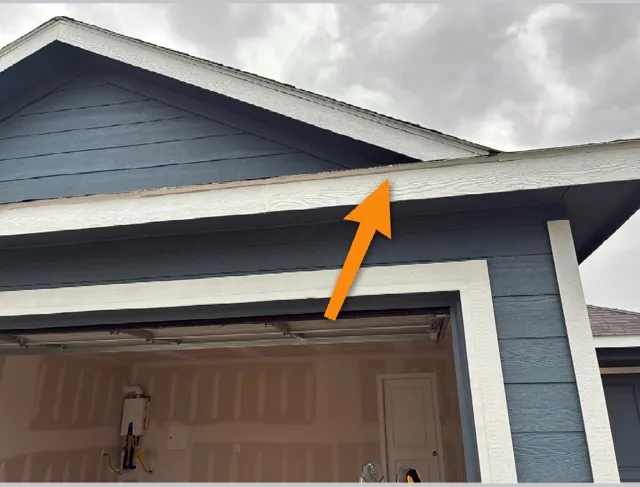
Why Does Your Home Need Flashing?
Water is one of the biggest threats to any house. When it gets in and stays in, it causes wood to rot, materials to deteriorate, and mold to grow. Homes built before the 1970s were often more forgiving—small amounts of moisture could dry out before major damage occurred. Homes built since the 1970s (and especially those built after 2000) are tighter and more energy-efficient. That means water that gets past the exterior often stays trapped longer and causes more harm.
Properly installed flashing and sealants are your home’s first line of defense. Understanding how they work—and what to look for—helps homeowners maintain their property and helps buyers avoid certain circumstances.
Flashing vs. Sealants: What’s the Difference?
Flashing is designed to create a long-term, low-maintenance barrier that directs water away from vulnerable spots. When installed correctly, it should last for years without replacement.
Sealants (caulk, roofing cement, etc.) ARE TEMPORARY. They require periodic replacement and are not a substitute for flashing.
Modern building practices assume that some water will eventually get past the outer layer. That is why flashing must work together with a water-resistive barrier (house wrap or similar) to create a drainage plane. Any water that slips behind the flashing or sealant should drain down the barrier and exit through weep holes or other outlets—not into the wall cavity.
Where Flashing Belongs
Flashing should be installed wherever water can enter or where different materials meet. Common locations include:
Around doors and windows
Where trim or other materials project from a wall
At horizontal seams in panel siding
Where vents, exhaust ducts, plumbing, electrical cables, or HVAC components penetrate walls or roofs
At roof penetrations such as skylights, chimneys, and sidewalls
Where a second-story wall meets a lower roof, or above bay windows
In roof valleys (covered in more detail in roofing chapters)
Wall Penetration and Visible Siding Flashing
In older homes, window and door flashing was often galvanized steel or aluminum. Today you may also see flexible plastic (polyethylene) or composite materials. Proper window and door flashing includes:
Pan flashing at the sill
Jamb flashing along the sides
Header flashing at the top
Most of this flashing is hidden behind siding or trim, which can make it hard to see unless there is visible water damage.
Visible siding flashing that should be easy to see includes:
L-flashing above window and door header trim
Z-flashing at horizontal seams between sheets of panel siding (cement fiber, hardboard, wood, etc.)
J-channel around windows, doors, and other openings when vinyl or aluminum siding is used
Panel siding joints may use lap joints (≥ 1 inch), shiplap (rabbet) joints, or Z-flash joints, depending on the manufacturer’s recommendations.
Brick Veneer and Transition Flashing
When brick veneer is used, flashing should appear (and be visible) at several key places:
Door headers and thresholds
Window headers and sills
At each floor level
At the foundation
Weep holes (ideally at least 3/16 inch in diameter and spaced no more than about 33 inches on center— allow water that gets behind the brick to escape. In practice, flashing is not always installed in every recommended location, even on newer houses, and weep holes may be the only visible clue that drainage exists.
Transition flashing is needed wherever one wall covering meets another—for example, where siding or stucco meets brick veneer. The flashing should be visible at the transition and ideally extend an inch or more over the lower material. This detail is uncommon on older homes but important for long-term performance.
Other Wall Penetrations
Exhaust ducts that exit through a wall usually terminate in a cap. The flange of the cap should sit in a bed of sealant, and the gap around the duct should also be sealed. Similar sealing is needed around plumbing pipes, refrigerant lines, electrical wires, and light fixtures. On vinyl-sided homes that use J-channel, the sealant itself is often hidden.
Practical Takeaways
Flashing is a long-term solution; sealants are temporary and need maintenance.
Modern tight homes are less forgiving of water intrusion—proper drainage planes matter.
Look for visible L-flashing, Z-flashing, J-channel, and weep holes during a walk-around.
Hidden flashing problems often reveal themselves through stains or damage.
When in doubt, have a professional evaluate the exterior before buying or before major renovations.
Keeping water out of the house protects your investment, preserves indoor air quality, and avoids expensive structural repairs. Whether you are maintaining the home you already own or evaluating a potential purchase, understanding flashing and sealants gives you a clearer picture of one of the most important (and often overlooked) parts of the building envelope.
Ready to schedule a home inspection?
Contact us today at (817) 518-2220 or book online at FisherHomeInspections.com. Whether buying, selling, or maintaining your current home, we’re here to help keep your family safe.
— Kyle Fisher, Professional Home Inspector
serving all of DFW and North Texas