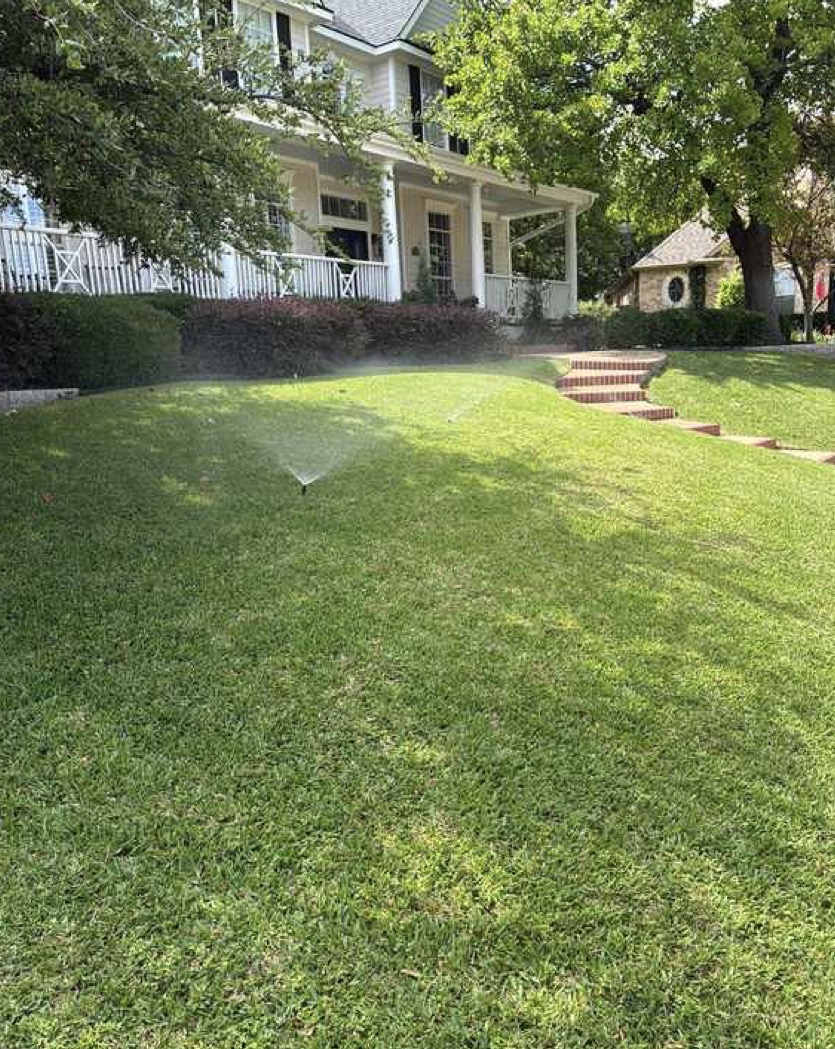
Understanding Irrigation (Sprinkler) Systems: For Homeowners & Home Buyers
A well-functioning irrigation system keeps your lawn and landscaping healthy while using water efficiently. A poorly maintained one wastes water, creates dry spots or soggy areas, raises utility bills, and can even contribute to foundation issues from uneven moisture.
This guide explains what a proper irrigation system should include, how it should function, what inspectors look for, and why it matters for both current homeowners and home buyers.
Key Components of a Proper Irrigation System
A typical residential in-ground system includes these core parts working together:
Controller (Timer): The “brain” of the system. It programs when and how long each zone runs. It should be properly mounted, powered, and free of error codes or display problems. Modern controllers often support multiple programs, seasonal adjustments, and weather-based or smart features.
Backflow Prevention Device: A required safety component that stops irrigation water (which can contain fertilizers, pesticides, or other contaminants) from flowing backward into your home’s potable (drinking) water supply. Common types include pressure vacuum breakers (PVB), reduced-pressure principle assemblies (RPZ), and double-check valve assemblies. Texas law (enforced by the TCEQ) requires a backflow preventer on systems connected to a public water supply. It should be present, properly installed, and free of visible damage or leaks.
Isolation/Shutoff Valves: There should be shutoff valves between the water meter and the backflow preventer so the irrigation system can be isolated without shutting off water to the entire house.
Zone Valves: These control individual zones (groups of sprinkler heads or emitters that water areas with similar plant needs). Each zone should operate independently when activated.
Piping and Fittings: Usually PVC or polyethylene lines buried underground that deliver water from the valves to the emission devices. Proper installation keeps water velocity within limits and provides adequate burial depth.
Water Emission Devices: These deliver the water and include:
Spray heads (fixed pattern, good for smaller areas)
Rotary/rotor heads (moving streams for larger turf areas)
Bubblers (for trees or shrubs)
Drip lines or emitters (efficient for beds, gardens, and foundation plantings)
Rain or Moisture Sensor: Detects rainfall or soil moisture and interrupts the controller so the system does not water when it is unnecessary. Newer systems are hooked up to the internet to monitor rain forcast and a rain sensor may not be needed.
A well-designed system also uses hydrozoning—grouping plants with similar water needs into the same zones—and aims for matched precipitation rates within each zone so water is applied evenly.
How a Proper System Should Function
When operating correctly:
The controller powers on and allows manual activation of each zone/station.
Each zone valve opens and delivers water without surface leaks at the valve box or along the lines.
Emission devices pop up (if designed to), rotate or spray in the intended pattern, and retract properly. They should not be clogged, broken, tilted, sunken, or spraying hardscapes (sidewalks, driveways, foundations, or streets) excessively.
There are no visible surface water leaks from pipes, fittings, heads, or valves.
The system shuts down cleanly when the cycle ends or when a rain/moisture sensor interrupts it.
Coverage is generally adequate for the landscaped areas (though TREC does not require inspectors to evaluate effective coverage).
Proper function means water reaches the root zones efficiently without significant runoff, misting (often a sign of excessive pressure), or pooling.
Why This Matters for Home Buyers and Homeowners
For home buyers: An irrigation system can be a valuable asset or an expensive surprise. Common issues discovered during inspections include broken or missing heads, non-working zones, missing or non-functional rain sensors, absent or damaged backflow preventers, surface leaks, and poorly mounted controllers. Addressing these before closing (or negotiating repairs/credits) can prevent water waste, high bills, and landscaping problems right after you move in. Sprinkler system inspections are usually an optional add on to the home inspection and I highly recommend one (especially if you notice that the yard has dead spots, standing water, or cracks in the yard.
For current homeowners: Regular checks help you catch problems early. Run the system manually a few times a year, watch each zone, clear debris from heads, adjust spray patterns away from hard surfaces, and replace damaged components promptly. Have the backflow preventer tested annually as required locally, and consider upgrading older systems with a rain/moisture sensor and pressure-regulating heads for better efficiency. In North Texas, proper irrigation also helps maintain consistent soil moisture around the foundation, which can reduce the risk of foundation movement.
Practical Tips for Keeping Your System in Good Shape
Observe each zone while it runs and note any heads that don’t pop up, spray unevenly, or leak.
Keep grass and mulch trimmed away from heads.
Adjust the controller seasonally and take advantage of rain sensors or smart controllers.
Address leaks quickly—surface water can indicate bigger underground issues.
When hiring help for repairs or upgrades, look for licensed irrigators familiar with TCEQ and local requirements.
Document any annual backflow tests and keep manuals or as-built drawings if available.
A properly designed, installed, and maintained irrigation system supports a healthy landscape, conserves water, and protects both your property and your water supply. If you’re buying a home with a sprinkler system, requesting an irrigation system inspection is a must.
Ready to schedule a home inspection?
Contact us today at (817) 518-2220 or book online at FisherHomeInspections.com. Whether buying, selling, or maintaining your current home, we’re here to help keep your family safe.
— Kyle Fisher, Professional Home Inspector
serving all of DFW and North Texas