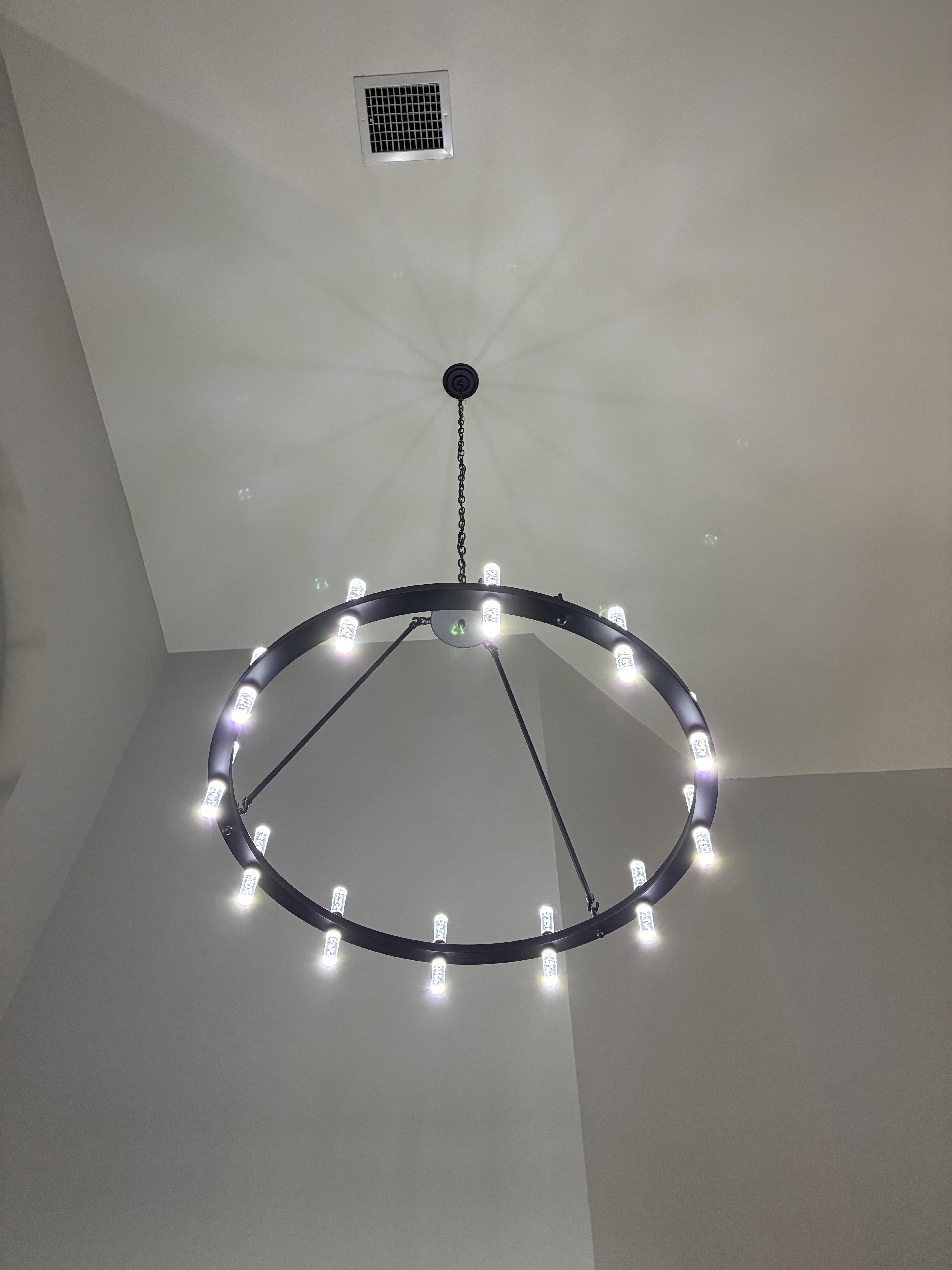
Light Fixtures
I was walking a client through an inspection this week and we started talking about why closet lights need a cover over the light bulb. I thought that was a great question that a lot of people may have. So this week we are talking about light fixtures in homes.
Lighting is one of the most visible features in any home, but proper light fixture installation goes far beyond appearance. Safety, energy efficiency, and building requirements play a major role in preventing fire hazards, electrical shocks, and future headaches. Whether you’re a current homeowner upgrading your lights or a homebuyer evaluating a property, understanding these basics is essential.
A professional home inspection includes checking that light fixtures are installed correctly and safely.
Why Light Fixture Installation Matters
Building requirements set clear rules for how light fixtures must be supported, wired, and placed — especially in high-risk areas like bathrooms, closets, and near ceilings. Improper installation is an issue we can find during home inspections and can lead to overheating, water damage, or even fire risks.
Here’s what every homeowner and homebuyer should understand:
1. Proper Support for Light Fixtures
All light fixtures need secure support, usually from an electrical box rated for the weight of the fixture.
Ceiling fans are not considered light fixtures and require special heavy-duty boxes.
Never use a standard light fixture box to support a heavy fan or a large chandelier.
2. Recessed Lighting (Can Lights)
Recessed lights are popular but must meet strict clearance rules:
IC-rated (Insulation Contact) fixtures can touch insulation.
Non-IC rated lights need at least 3 inches of clearance from insulation and ½ inch from combustible materials.
They must be thermally protected to shut off if they get too hot.
Newer styles of recessed lights look more like hockey pucks, give off less heat, and are more energy efficient.
3. Bathroom and Wet/Damp Locations
Bathrooms are high-risk areas for electrical installations:
Lights and fans near tubs and showers must stay outside specific “exclusion zones.” This zone is 3 feet horizonal from the edge of the tub and 8 feet above.
Fixtures in wet or damp areas need to be rated for moisture resistance.
Proper clearances help prevent electrical shock from water exposure.
4. Clothes Closet Lighting
Closets have very specific rules because of fire risk from clothing and storage:
Light fixtures must maintain proper distance from shelves and hanging rods (typically 12 inches for incandescent/LED with exposed bulbs, 6 inches for others).
Exposed bulbs are especially risky and often flagged in inspections.
5. Track Lighting and Other Fixtures
Track lights must be installed per manufacturer instructions and are prohibited in certain locations (such as wet areas or low ceilings). They also have limits on wattage and circuit loading.
Tips for Homeowners and Homebuyers
Homeowners: When replacing fixtures, always choose code-compliant products. Consider upgrading to LED fixtures for safety and efficiency. Never overload circuits or install fixtures without proper support.
Homebuyers: Pay close attention to lighting during your pre-purchase home inspection. Look for crooked fixtures that may need more support, or that wobbly ceiling fan hanging on for dear life.
Schedule Your Home Inspection Today
At Fisher Home Inspections, we provide thorough evaluations of your home’s electrical system, including all light fixtures, ceiling fans, and safety concerns. Serving Dallas/Fort Worth and surrounding areas, our detailed reports help you make informed decisions about your property.
Ready to schedule a home inspection?
Contact us today at (817) 518-2220 or book online at FisherHomeInspections.com. Whether buying, selling, or maintaining your current home, we’re here to help keep your family safe.
— Kyle Fisher, Professional Home Inspector
Keller, Texas
Residential Code References
The light fixture standards listed above are from E4003, E4004, E4005, and E4101 of the International Residential Code (IRC) 2021.