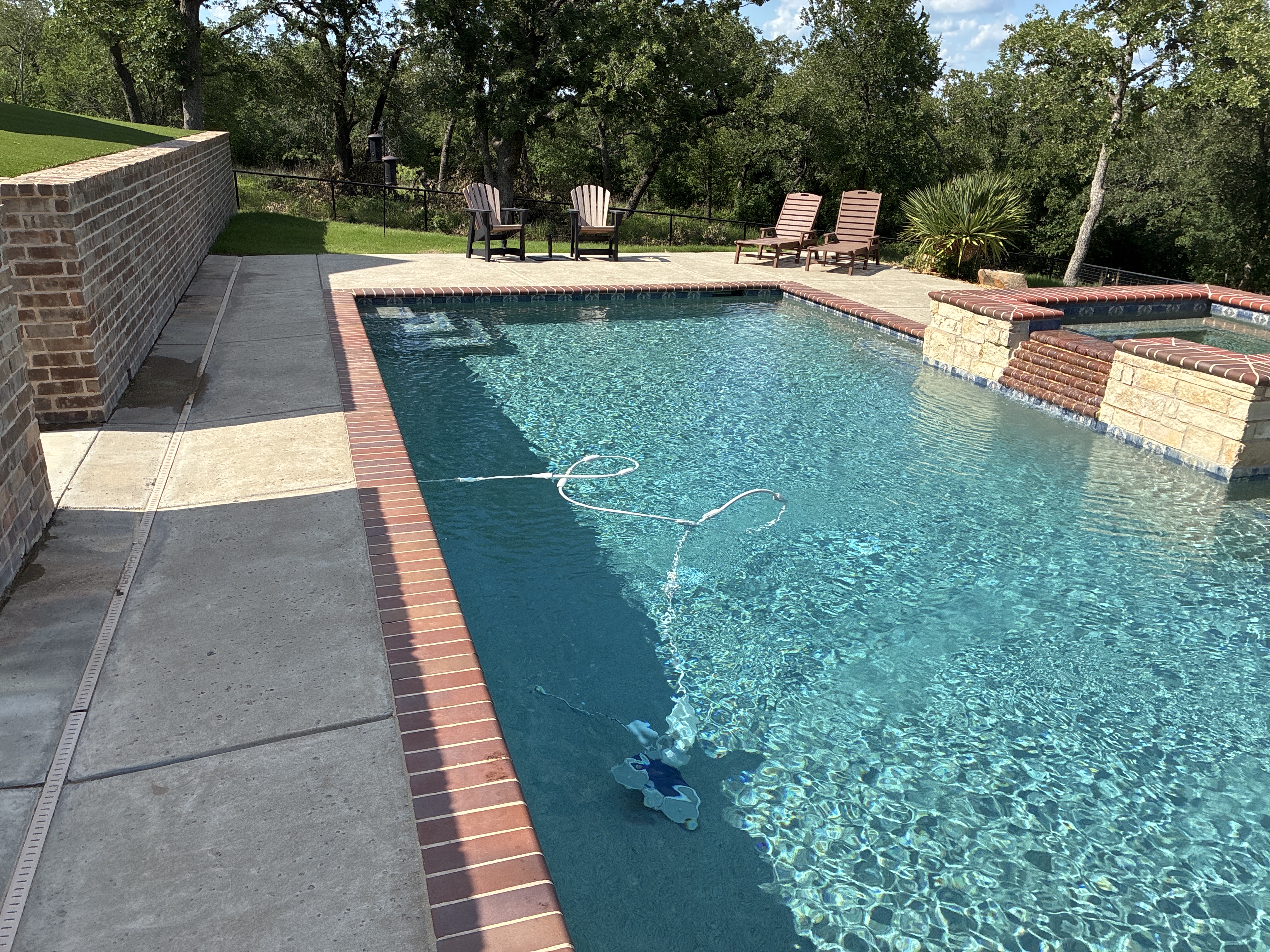
Swimming Pool Electrical Safety for Homeowners and Future Home Buyers
With the start of summer, we are going to continue to be on the topic of swimming pools. In this post, we'll break down the key electrical and safety standards for residential swimming pools.
Swimming pools are a dream feature for many families—offering fun, relaxation, and value to a home. But they also come with serious safety responsibilities. As a professional home inspector, a critical parts of my job is evaluating pools and spas for safety and overall condition. Whether you're a current homeowner maintaining your pool or a future buyer considering a home with one, understanding these requirements can help you better understand your pool and what it takes to own one.
Why Pool Inspections Matter
Pools involve water + electricity—a dangerous combination if not installed correctly. Electrical faults near water can lead to shocks, electrocution, or fires. Home inspectors check for proper GFCI protection, bonding, grounding, clearances, and equipment condition to ensure everything meets safety standards. Buyers should always request a detailed pool inspection; sellers benefit by addressing issues upfront.
1. Receptacles (Outlets) and Switches Near Pools
No receptacles within 6 feet of the inside edge of the pool, spa, or hot tub (measured in a straight line, avoiding permanent barriers like walls).
At least one 120-volt, 15- or 20-amp general-purpose receptacle is required within 6–20 feet of the pool edge, no higher than 78 inches above the walking surface.
All such outlets must have GFCI protection.
Switches must be at least 5 feet away horizontally from the pool edge.
Pro Tip for Homeowners: Test your GFCI outlets monthly—they should trip when you press the "Test" button. If they don't, call an electrician immediately.
2. Lighting and Ceiling Fans
Outdoor pools: No lights/fans within 5 feet horizontally and 12 feet vertically from the water's maximum level.
Indoor pools: Similar rules, often with a 90-inch vertical clearance.
Underwater lights must be properly installed with GFCI protection (for most voltages) and listed for pool use.
Inspectors look for signs of water intrusion, damaged fixtures, or improper wiring in these areas.
3. Bonding and Grounding: The Invisible Safety Net
Bonding connects all metal parts (ladders, handrails, pool shells, pumps, lights, etc.) so they stay at the same electrical potential. This prevents voltage differences that could shock someone in the water.
Key requirements:
Use a solid #8 AWG copper bonding wire or equivalent.
Bond reinforcing steel in concrete pools, metal pool shells, and conductive surfaces within 3–5 feet of the pool.
All underwater equipment, pumps, motors, and metal parts must be properly bonded and grounded.
Common Issue: Missing or broken bonding connections—especially in older pools. This is a major red flag during inspections.
4. Underwater Lights and Junction Boxes
Underwater lights need special junction boxes mounted above ground/deck level (typically 4–8 inches above max water level) and at least 4 feet from the pool edge.
Wiring must use corrosion-resistant materials and proper strain relief for flexible cords.
Low-voltage options have more flexibility but still require careful installation.
5. Other Critical Checks
Pool Cover Motors: Must be at least 5 feet from the pool edge (or separated by a barrier) and on GFCI circuits.
Overhead Wires: Strict clearance distances above the pool (often 22+ feet depending on voltage).
General Condition: Cracks in the pool shell, faulty pumps/filters, deteriorated decking, and poor drainage.
What Home Buyers Should Look For
When touring a home with a pool:
Ask for maintenance records and recent electrical inspections.
Look for visible GFCI outlets, secure fixtures, and no obvious exposed wiring.
Budget for potential upgrades—bringing an older pool up to current code can be expensive.
Consider a specialized pool inspector who understands local codes and can perform water testing or equipment evaluation.
Maintenance Tips for Current Homeowners
Test GFCIs regularly.
Inspect bonding/grounding connections annually.
Keep vegetation and debris away from electrical components.
Hire licensed electricians for any modifications.
Never swim during storms or with active electrical issues.
Bottom Line: A properly installed and maintained pool is a fantastic asset. But safety always comes first. Understanding these electrical requirements helps homeowners protect their families and buyers make informed decisions.
Have questions about your pool or upcoming home inspection? Contact us today at (817) 518-2220 or book online at FisherHomeInspections.com Your safety is our priority!
— Kyle Fisher, Professional Home Inspector
Keller, Texas
Residential Code References
The electrical requirements for pool standards listed above are from E4201, E4202, E4203, E4204, E4205, and E4206 of the International Residential Code (IRC) 2021.