Understanding Safety Glazing & Why It Is Important
As a homeowner or prospective buyer, ensuring your property meets essential safety standards is crucial for protecting your family and avoiding potential liabilities. One key aspect of building codes that can be overlooked is safety glazing, which refers to the use of tempered or laminated glass in areas prone to human impact. In this post, we'll break down the essentials of safety glazing requirements, why they matter, and how they apply to common home features like doors, windows, stairs, and wet areas.
What Is Safety Glazing and Why Is It Important?
Safety glazing is designed to reduce the risk of injury from broken glass. Unlike standard glass, which can shatter into sharp shards, safety glass either breaks into small, harmless pieces (tempered glass) or holds together when cracked (laminated glass). Safety glazing must be used in "hazardous locations" where accidental impact is likely, such as near walking surfaces or in high-traffic areas.
These requirements ensure the glass can withstand impacts without causing severe cuts or falls. During a professional home inspection, inspectors check for proper safety glazing to identify potential hazards.
Safety Glazing Labeling Requirements
Proper labeling is the first step in verifying compliance.
Label: Safety glazing can be identified using with an etching describing the type of glazing along with the manufacturer’s details. A common label you will see is “16 CFR 1201”
Location: This label is typically etched into a corner of the glass. Sometimes this label can be hard to see.
Alternatives for Other Glazing: Windows and glass that are opaque are sometimes not labeled but are approved for the safety glazing area.
Where Safety Glazing Is Required: Key Locations in Your Home
The IRC specifies safety glazing in areas where glass could be mistaken for an open space or is near potential impact zones. Here's a breakdown:
1. In Doors
Fixed and Operating Panels: Safety glazing is required in all swinging doors and sliding/bifold doors like mirrored closets or glass patio doors.
Near Doors: If a door is closed, measure from the closest vertical edge. Safety glazing is needed if within 24 inches from the latch or hinge side. EXCEPTION: Anything above 5 feet does not have to meet these requirements.
2. In Windows and Large Panels
Large Individual Panes: Safety glazing is required if the following conditions are met:
The pane is larger than 9 square feet.
The bottom edge of the glass is less than 18 inches above a walking surface.
The tip edge of the glass is more than 36 inches above a walking surface.
A walking surface is 3 feet or less horizontally to the glass.
3. Near Stairs and Landings
Guards/Railings: Safety glazing is mandatory in all guards and railings.
Adjacent to Stairs: Safety glazing is mandatory in windows/doors less than 3 feet above the walking surface.
Landings: For landings, within 5 feet horizontally and 3 feet above the walking surface should be safety glazed.
4. In Wet Areas (Baths, Pools, and Spas)
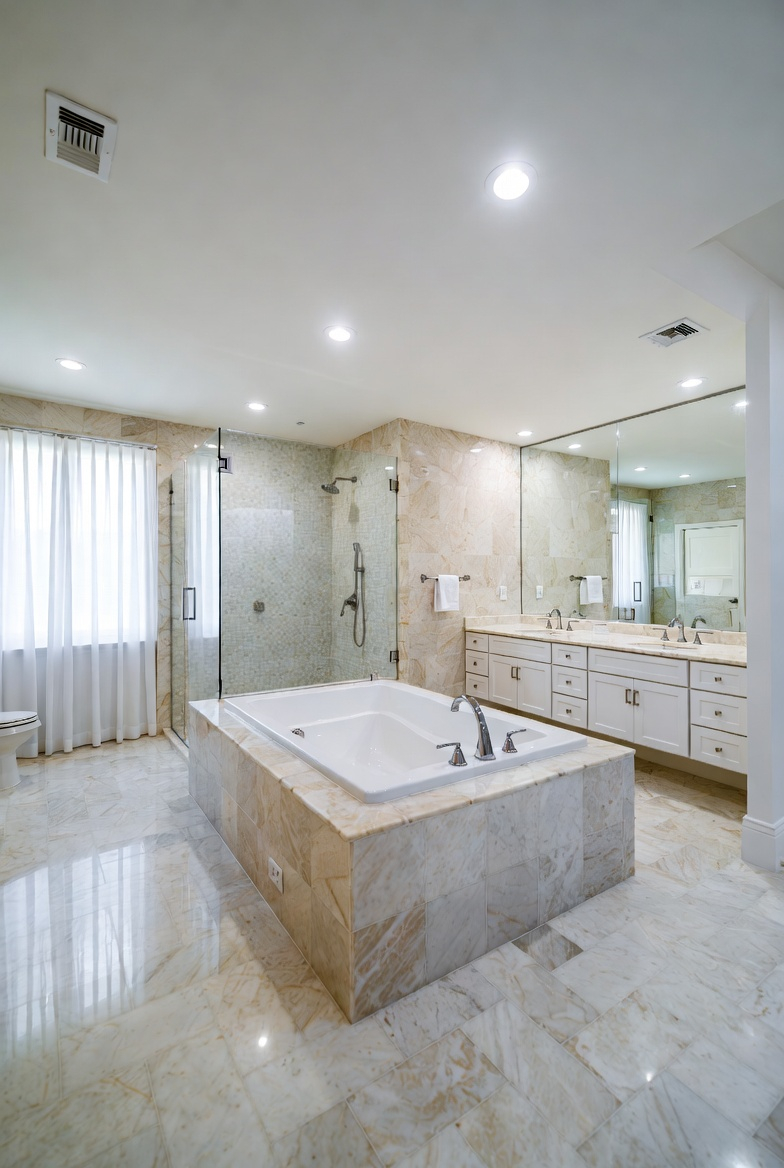
Near Bathtubs and Showers: Required in windows and enclosures around tubs, showers, whirlpools, saunas, or steam rooms if less than 5 feet off the ground and within 5 feet horizontally.
Near Pools and Spas: Glazing less than 5 feet off the ground and within 5 feet horizontally of the water's edge must be safety-rated.
Why This Matters for Your Home
Safety glazing is a vital safeguard for your household and can lead to serious injuries if it is missing. In Texas, where hot summers increase pool and patio use, ensuring safety glass near these areas is especially important. A thorough home inspection can spot missing labels, improper installations, or outdated glass, giving you peace of mind.
Residential Code References
The safety glazing standards listed above are from R308 of the International Residential Code (IRC) 2018.