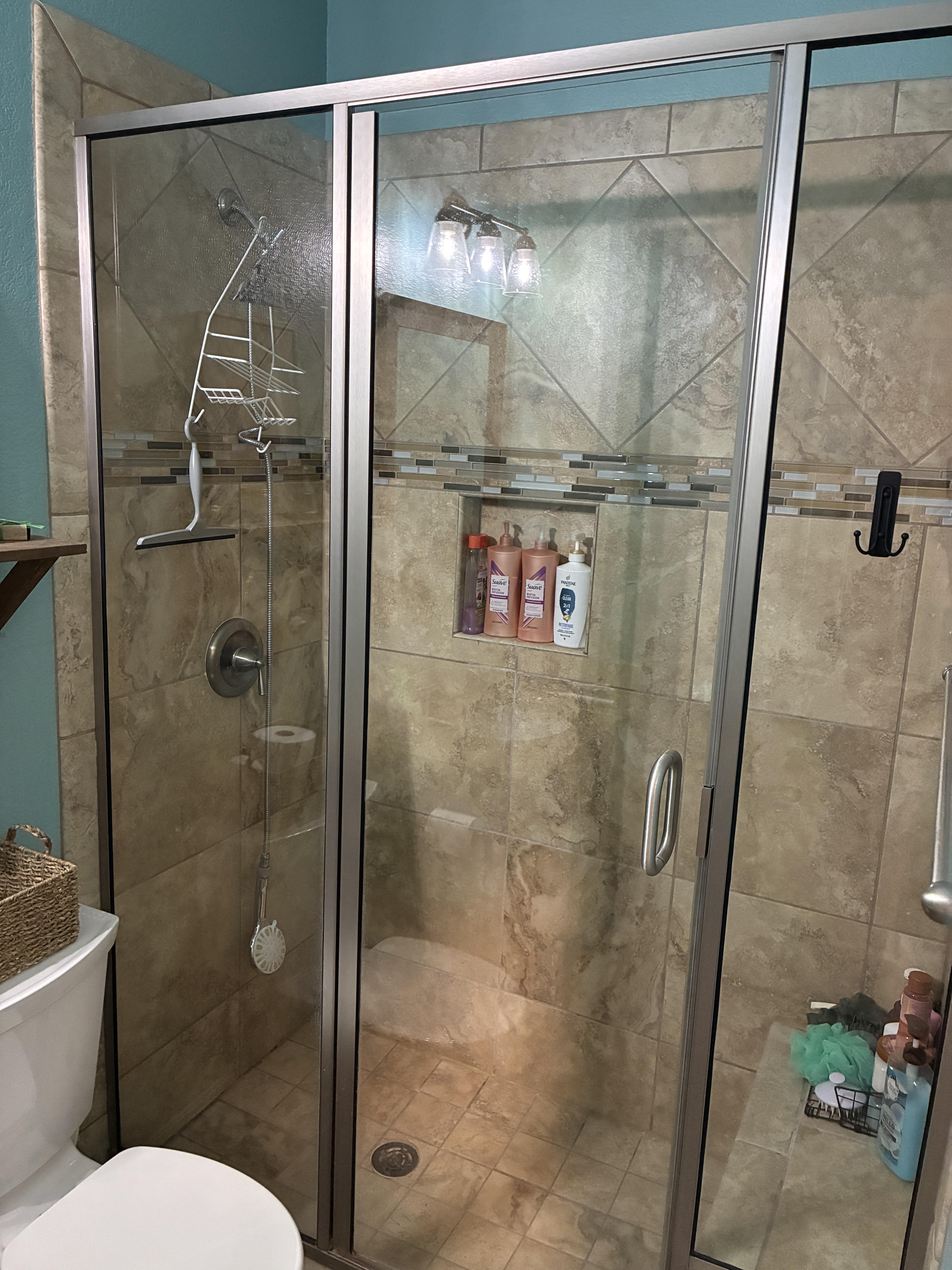
Understanding Shower Requirements: What Every Homeowner and Home Buyer Needs to Know
When buying or maintaining a home, bathrooms often get a lot of attention — and for good reason. The shower is one of the most heavily used features in any house. But many homeowners and buyers are surprised to learn that showers must meet specific requirements for safety, accessibility, and waterproofing. During a professional home inspection, we find issues with shower size, construction, and installation that can lead to leaks, mold, or safety hazards.
In this post, we’ll break down key shower requirements, explain why they matter, highlight common problems, and give you practical tips whether you’re buying your first home or maintaining your current one.
Minimum Shower Size Requirements
Building codes set clear minimum dimensions to ensure showers are functional and safe:
Finished area: At least 900 square inches (about 30" x 30") in most cases.
Minimum dimension: At least 30 inches in one direction.
Height: Minimum finished dimensions must extend to at least 70 inches tall.
Measurements are typically taken from the center line of the threshold (curb).
Why this matters: A too-small shower feels cramped, is harder to clean, and can create accessibility issues. In a home inspection, an undersized shower is a functional deficiency that buyers should know about before purchase.
Shower Compartment and Entry Requirements
Minimum finished entry opening of 22 inches.
Hinged doors must swing out from the stall (or swing both ways). Sliding doors are permitted.
The front of the shower must have a clearance of at least 24 inches (this allows the 22 inch door to swing open freely.
Shower Receptor (Shower Pan/Base) Construction
This is one of the most critical — and leak-prone — areas we inspect.
Key requirements include:
Threshold/curb must be 2–9 inches above the drain.
The shower floor must slope properly: at least ¼ inch per foot (2% slope) toward the drain, but no steeper than ½ inch per foot.
Use a flanged shower drain for a watertight seal.
For site-built showers, proper waterproofing is essential:
Approved liner materials (chlorinated polyethylene, PVC, hot-mopped felt, etc.).
The liner must extend at least 2 inches above the finished threshold or curb and be properly sealed.
No fasteners within 1 inch of the top of the threshold in many cases.
Extend lining material properly around rough jambs.
We often see issues like gaps between the liner and wall, improper sealing at seats, or holes near the threshold — all of which can lead to hidden water damage.
Shower Temperature Control and Safety
Shower valves must limit water temperature to no more than 120°F.
Pressure-balance, thermostatic mixing valves, or combination valves are typically required. In-line thermostatic valves alone usually don’t comply.
This is a major safety feature, especially for households with children or elderly residents.
Common Shower Problems Found in Home Inspections
As a home inspector in the Fort Worth area, here are red flags we see regularly:
Poorly sloped or cracked shower bases causing standing water.
Missing or improperly installed shower pan liners leading to leaks into the floor or walls.
Improper riser support — the pipe from the valve to the shower head should be securely attached to prevent movement and leaks.
Clogged drains.
Evidence of past leaks around curbs, corners, or seats.
These issues can be expensive to fix after closing, especially if they involve tile removal or subfloor repair.
What Home Buyers Should Look For
When touring homes:
Stand inside the shower and see if it has enough room.
Look for proper slope to the drain (water should flow quickly, not pool).
Inspect grout and caulk for cracks or discoloration.
Test the shower (if allowed) and watch for leaks around the base or walls.
Note any soft spots in the floor outside the shower.
Check that the temperature control feels consistent and doesn’t suddenly surge hot or cold.
A professional home inspection will catch many of these details with trained eyes, infrared cameras, and moisture meters.
Tips for Current Homeowners
Re-caulk regularly using mold-resistant silicone caulk designed for showers.
Avoid aggressive cleaners that can damage grout or liners.
Address small leaks immediately — water travels.
Consider accessibility features like grab bars or curbless showers if aging in place is a goal.
Final Thoughts
Shower requirements exist to protect your investment, your home’s structure, and the safety of everyone who uses the bathroom. While they may seem technical, understanding them helps you make better decisions as a buyer or homeowner.
At Fisher Home Inspections company, we go beyond surface-level checks. We examine showers thoroughly — from the visible surfaces to signs of hidden moisture issues — so you have the full picture before buying or selling.
Thinking about buying a home in the Fort Worth, Texas area?
Contact us today at (817) 518-2220 or book online at FisherHomeInspections.com
— Kyle Fisher, Professional Home Inspector
Keller, Texas
Residential Code References
The gas appliance standards listed above are from P2708, P2709, and G2422 of the International Residential Code (IRC) 2021.