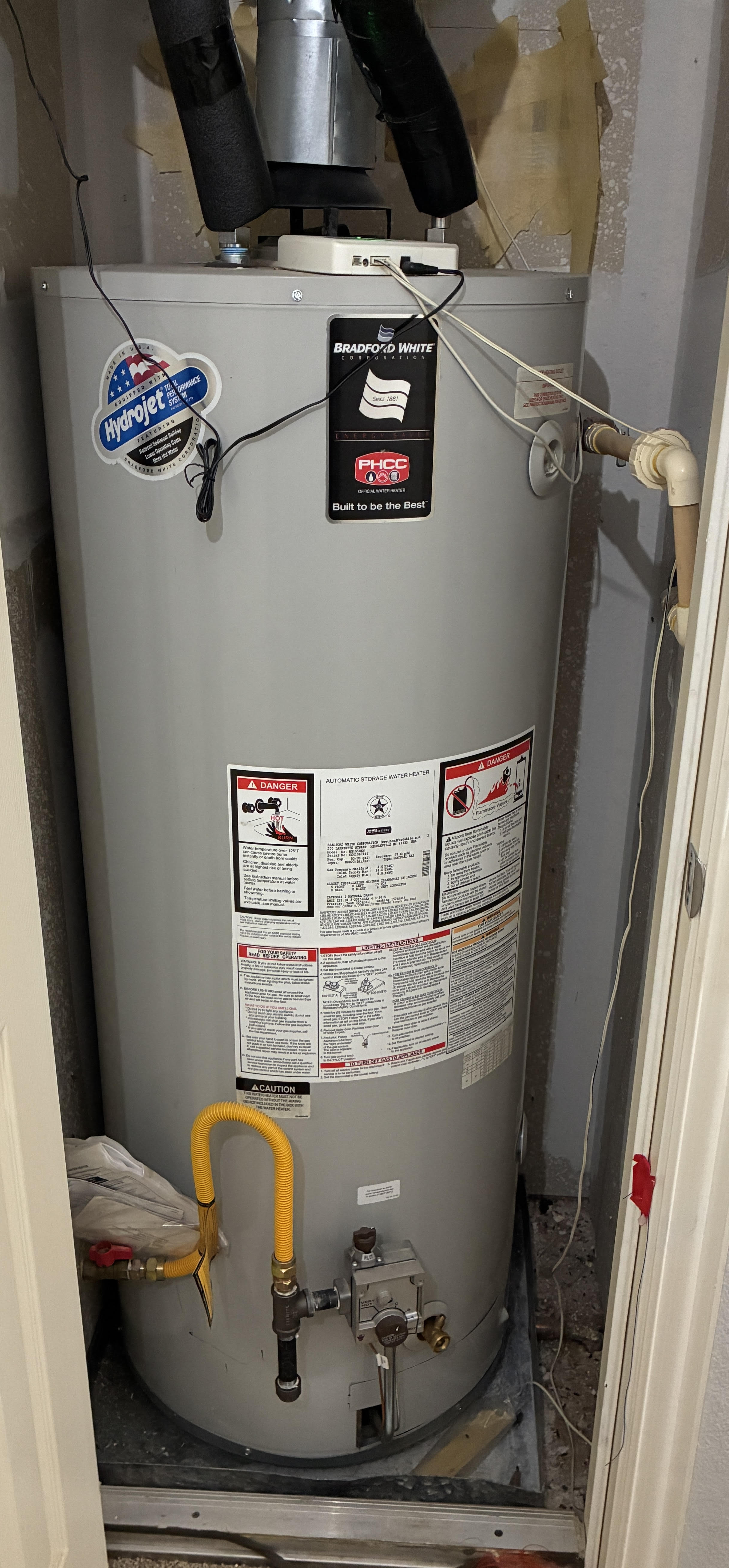
Understanding Water Heater Relief Valves & Drainage
Water heaters are one of the hardest-working appliances in your home, quietly providing hot water for showers, laundry, and dishes day after day. But few homeowners realize how critical the safety components around them are—until something goes wrong. A leaking or malfunctioning water heater can cause thousands of dollars in water damage, especially if it's located in the attic or other conditioned space.
We find issues with water heater drain pans, relief valves, and discharge pipes during inspections. Understanding these features can help you protect your home, whether you're a current homeowner maintaining your system or a future buyer evaluating a property.
Why Water Heater Drain Pans Matter
According to standard residential building codes storage tank water heaters should have a drain pan installed underneath them in locations where leakage could cause damage.
Key requirements typically include:
The pan must be at least 1-1/2 inches deep and made of sturdy materials like 24-gauge galvanized steel or approved plastic.
It should be large enough to catch all potential leaks and condensation from the tank.
A discharge pipe (at least ¾ inch in diameter) carries any water away from the pan to a safe location—usually outside the building.
The outlet should terminate at least 6 inches and no more than 24 inches above the ground and be clearly visible so leaks are easy to spot.
Important note: If you're replacing an existing water heater that didn't have a pan, you may not be required to add one—but installing one is still smart insurance against future water damage.
The Critical Role of Temperature & Pressure Relief Valves (T&P Valves)
Every water heater needs a Temperature and Pressure Relief Valve (often called a T&P valve or relief valve). This safety device prevents the tank from exploding due to excessive pressure or temperature.
Proper installation rules include:
The valve must be installed directly on the water heater (within 6 inches of the top) — no extension pipes or shutoff valves between the tank and the valve.
A discharge pipe carries hot water or steam safely away if the valve activates. This pipe must be made of approved materials (copper or CPVC are common), sloped for proper drainage, and terminate in a safe, visible location.
The pipe should not connect directly to the building's drain system and must maintain an air gap to prevent contamination.
Discharge must not create a risk of scalding or property damage.
Common Issues We See During Home Inspections
As home inspectors, we check these components carefully because failures can and do:
Missing or undersized drain pans.
Drain pans that are cracked, rusted, or missing.
Improperly routed or missing discharge pipes.
T&P valves that are old, leaking, or have been modified.
Discharge pipes that terminate too high, create trip hazards, or empty into hidden areas.
These problems can lead to hidden water damage, mold growth, or even catastrophic tank failure. Older homes are especially prone to these issues if previous owners made DIY repairs that didn't meet code.
Tips for Homeowners
Visual Check: Look under your water heater for a pan and ensure any pipes route water safely away.
Age Awareness: Most water heaters last 8–12 years. If yours is older, have it inspected.
Professional Maintenance: Have a plumber test the T&P valve annually and flush the tank to remove sediment.
During Home Purchases: Always request a thorough water heater inspection as part of your home inspection. A small investment now can prevent major headaches later.
Why This Matters for Homebuyers
When you're shopping for a new home, a properly installed and functioning water heater system is a key indicator of how well the property has been maintained. During our professional home inspections, we document the age of the water heater, the condition of the drain pan, relief valve, discharge piping, and overall water heater setup. This gives you peace of mind and valuable negotiation leverage if repairs are needed.
Contact us today at (817) 518-2220 or book online at FisherHomeInspections.com
— Kyle Fisher, Professional Home Inspector
Keller, Texas
Residential Code References
The water heater standards listed above are from P2801 and P2804 of the International Residential Code (IRC) 2021.