Understanding Your Home’s Water Supply System: Simple Tips for Homeowners & Homebuyers
Your home’s water supply system is one of those behind-the-scenes heroes that delivers clean, reliable water to your sinks, showers, toilets, washing machine, and garden hose. When it works well, you barely notice it. When it doesn’t, you end up with weak showers, banging pipes, surprise leaks, or high water bills.
As a homeowner, knowing the basics helps you spot small problems before they become expensive repairs. A professional home inspection looks at this system closely, but here’s a guide to help homeowners understand the basics.
Water Pressure: Not Too High, Not Too Low
Your water pressure needs to be “just right.” Residential water pressure should not be above 80 psi (pounds per square inch). Too much pressure stresses pipes, valves, and appliances, leading to leaks over time.
If pressure is too high, you’ll usually see a pressure-reducing valve (PRV) near where the main water line enters your house.
These valves can wear out and start leaking over time — a common issue inspectors find.
The minimum pressure should not drift below 40 psi to make sure it is strong enough for everyday use. Low pressure might need a booster pump.
Homeowner tip: If your showers feel weak or you hear banging pipes when the washing machine stops, have the pressure checked. A simple gauge from the hardware store can give you a quick reading.
Protecting Your System from Expansion and “Water Hammer”
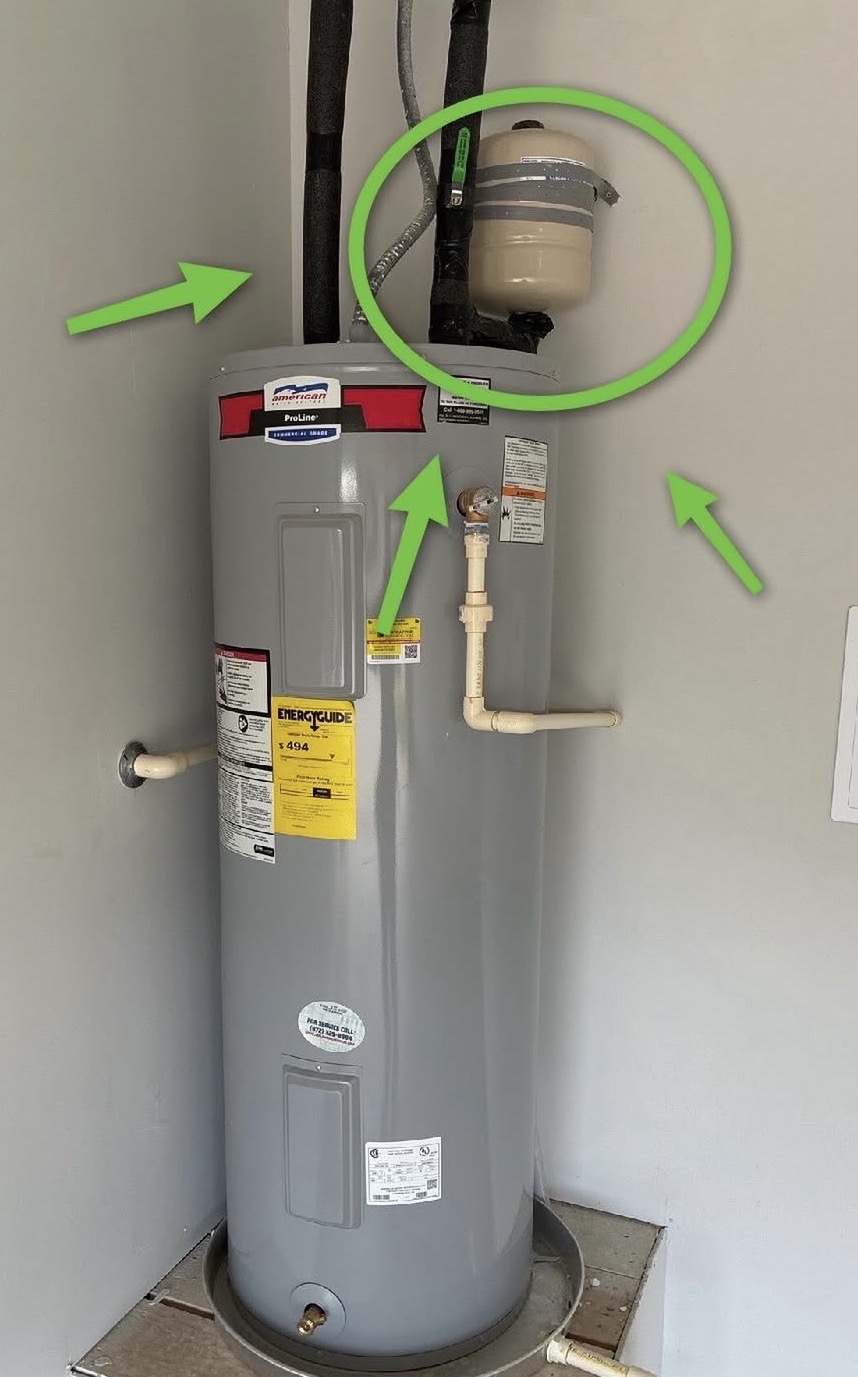
When cold water heats up in your water heater, it expands. Without protection, this can damage pipes or the heater itself.
A thermal expansion tank (a small metal tank on the cold water line) absorbs that extra pressure.
Water-hammer arrestors stop the loud banging noise (and pipe stress) that happens when appliances with quick-closing valves shut off suddenly.
These devices are inexpensive insurance that can prevent major headaches.
How Much Water Comes Out of Your Fixtures?
Building requirements set minimum flow rates so fixtures work properly. Here are some common examples (measured in gallons per minute):
Bathtub: 4 gpm
Shower: 2.5 gpm
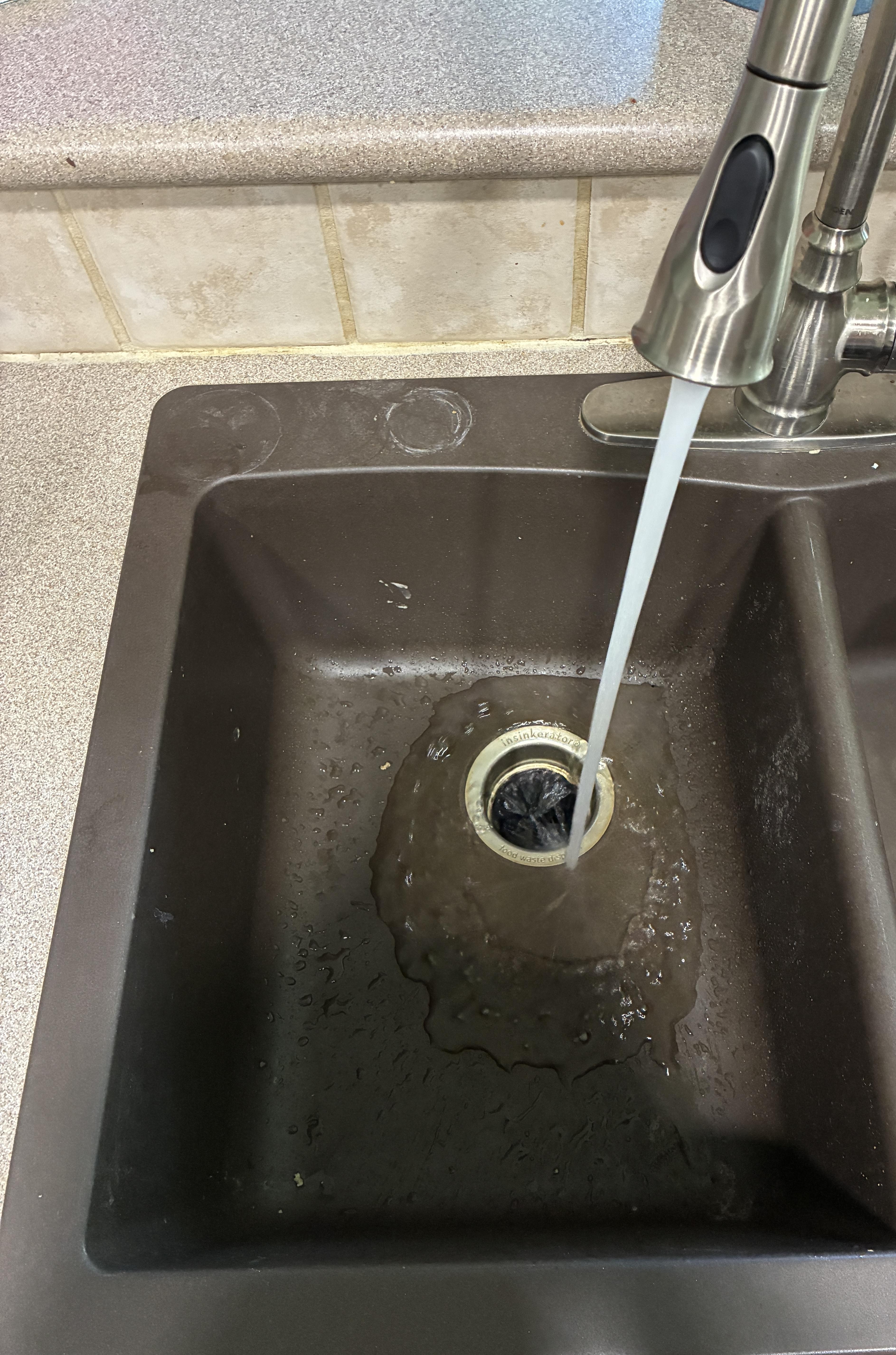
Kitchen sink: 1.75 gpm
Hose bibb (outdoor faucet): 5 gpm
Modern “low-flow” fixtures are designed to save water while still meeting these needs. If several fixtures run at once and pressure drops sharply, your pipes might be too small for your home’s needs (if your home still has galvanized pipes, and the pressure drops, it is probably time to replace them with newer piping).
Pipes: What Are They Made Of?
Homes use several common pipe materials:
Copper: Classic, durable, and long-lasting (but more expensive).
PEX (flexible plastic tubing): Very popular today — easy to install and resists freezing better than rigid pipes.
CPVC or PVC: Rigid plastic pipes often used for cold water or specific applications.
Older homes might still have outdated materials like polybutylene (which often needs replacing) or even galvanized lines. In areas with corrosive soil, special pipes may be required.
Inside your walls and under the slab, pipes must be joined correctly. Common methods include soldering copper, using special cement for plastic, or push-connect fittings (like SharkBite). The wrong connection between different materials can cause corrosion and leaks.
Important Valves You Should Know
Main shutoff valve: Usually near where water enters the house (in DFW this is usually at the water meter or in the garage/laundry room in newer builds) — test it occasionally so you can turn off the water in an emergency.
Water heater shutoff: On the cold line going into the heater.
Fixture shutoffs: Small valves under sinks and behind toilets (called angle stops).
Outdoor hose bibbs often need their own shutoffs, especially in freezing climates.
Leaking or stuck valves are very common during inspections.
Common Problems Homeowners Face
High or low water pressure
Leaking pressure-reducing valves or expansion tanks
Older pipes that are corroded or too small
Noisy pipes (water hammer)
Push-connect fittings in hard-to-reach spots that fail
Signs of past leaks around joints and valves
Catching these early can save thousands in water damage or full re-piping.
What Should You Do as a Homeowner?
Locate your main water valve and test it once a year.
Listen for banging pipes and watch for slow drains or weak flow.
Have your water pressure checked if anything feels off.
Replace old valves, expansion tanks, and questionable piping before they fail.
Schedule a professional home inspection or plumbing evaluation every few years, especially if your home is older.
At Fisher Home Inspections, we specialize in clear, practical reports that help homeowners like you understand exactly what’s going on with their plumbing and other major systems. Serving DFW and surrounding communities, we make the hidden parts of your home easy to understand.
Whether you’re buying a home or simply want peace of mind about your current one, a thorough inspection of the water supply system is one of the smartest investments you can make.
Ready to get a clear picture of your home’s water system? Contact us today to schedule an inspection. We’ll walk you through everything in plain language so you can make confident decisions about your home.
Contact us today at (817) 518-2220 or book online at FisherHomeInspections.com
— Kyle Fisher, Professional Home Inspector
Keller, Texas
Residential Code References
The water supply standards listed above are from P2901, P2903 and P2906 of the International Residential Code (IRC) 2021.